Skip to page content
®

Learn science from real plants.

xeed learn is a free site for classrooms. Follow a plant through a Philadelphia year.

For students

Pick a real plant near school and start today.

For teachers

Plan five classes over eight weeks. Students send you a link.

Your notebook stays on this device until you send it to your teacher. Class sign-in with a code is coming later.

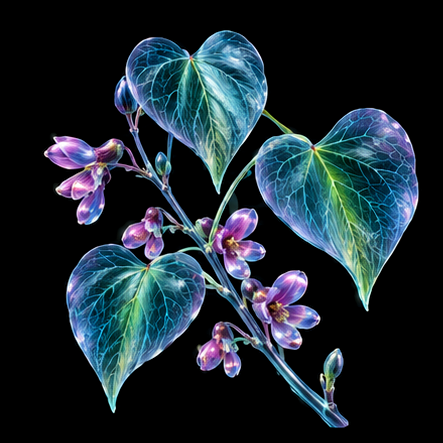
An eastern redbud branch drawn as a glass portrait.

Its glass portraitCercis canadensis

  • FlowersFirst look
  • LeavesAlso follow
  • Seed podsAlso follow
  • BranchContext
  1. Observe
  2. Test
  3. Explain
  4. Return

How a lesson runs

Students observe a real plant, look at the same day in the Weather lab, explain the difference and go back.

Anyone can use it, in class or on their own.

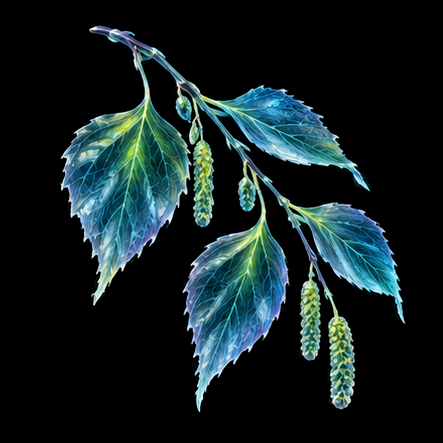
A river birch branch drawn as a glass portrait.
  1. Observe

    Mark four branches on a real plant.

  2. Test

    Go to the same day in 2025 in the Weather lab and answer the same questions.

  3. Explain

    Compare your plant with the model, say why they might differ, and write your week’s reflection.

  4. Return

    Keep going back to the same plant. A partner and your teacher read along until the period ends.

One plant, one lab, one notebook

Observe a real plant, look at the same day in the Weather lab, then visit the plant again.

  1. My plant20–30 min
  2. Weather lab15 min
  3. Return to your plant10 min
  4. My notebook2 min
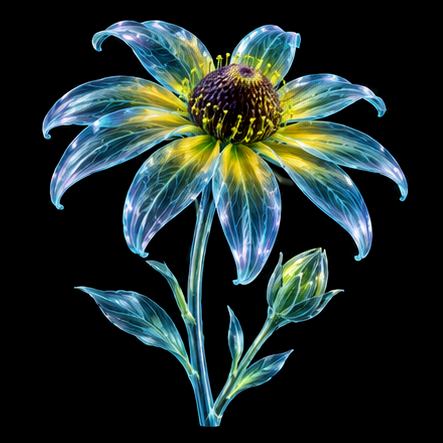
A black-eyed Susan drawn as a glass portrait.

My plant

Pick a real plant near school. Observe, test, explain and return to it.

  1. Choose one of eight Philadelphia plants.
  2. Mark four branches and save your first idea.
  3. Come back, compare, and save your new idea.
  • 20–30 min first visit
  • A plant outside
  • Phone helps

You’ll leave with: A saved visit and a link to turn in.

Your own notesYour own observations are the record.

Choose a real plant

Weather lab

Go to the same day in 2025. Answer the same questions about the model tree.

  1. Go to today’s month and day in 2025.
  2. Look at the model tree, from the whole tree to one leaf.
  3. Answer the same questions and save a lab record.
  • 15 min
  • A saved visit
  • °C and °F

You’ll leave with: A lab record to compare with your plant.

Weather: NOAA 2025Plant: teaching modelA model, not a forecast for your tree.

Open the Weather lab

Return to your plant

Look at the same plant again, compare, and save your new idea.

  1. Open your plant on this device.
  2. Mark the same four branches again.
  3. Compare with your first idea and save your new idea.
  • 10 min
  • A saved first idea
  • The same plant

You’ll leave with: A new idea beside your first idea.

Your own notesYour first idea stays as you wrote it.

Go back to your plant

My notebook

Find what you saved. Download a backup or send it to your teacher.

  1. Find your field visits in one place. See lab records on Compare.
  2. Download a backup at the end of class.
  3. Send it to your teacher when they ask.
  • 2 min
  • Needs nothing

You’ll leave with: Knowing where your work is.

Saved on this deviceSaved in this browser only. Nothing is uploaded unless you send it to your teacher.

Open my notebook

For teachers

  • Five classes, eight weeks
  • Phones or Chromebooks
  • No student accounts

Students pick a real plant and save a first idea and a new idea.

They send you a link; you open it on the Turn-in page.

One profile, two views

Students get a card that gathers their plant’s record. Teachers see the same work, ready to grade. Coming later

Example card. Not a real student’s record.

Student card

Acer rubrum

Maple by the gate

A red maple leaf drawn in glowing film.

Observed3 Oct

Common
Red maple
Locality
School garden
Kept by
Garden group
  1. First visit3 OctGreen
  2. Return17 OctRed at the tips
Prediction
The top leaves turn red first.
New idea
The sunny side turned first, not the top.
Lab record
On the same day in 2025, the model tree was further along.
Sources
A weather station record and a species reference.
ExampleProposed

Teacher view

Garden group

Maple by the gate

Work received

2of 3

  • Field recordReceived 3 Oct
  • New ideaReceived 3 Oct
  • Lab recordMissing

Rubric

Source and date
3 of 4
Fair comparison
2 of 4
Evidence use
3 of 4
Explanatory revision
2 of 4
Comment
Good evidence. Add the date to each photo.
The teacher gives the grade. AI does not.Proposed

The student card

Plant, species, visits, lab records and new ideas, on one card.

The teacher view

Field and lab records would arrive in one place, with a rubric, on their own screen.

AI helps students ask better questions in the field. It never grades: the teacher does. Coming later

Today a student sends a link, and the teacher opens it read-only.

For teachers

A class that starts with a code

A teacher invited by Xeed creates a class and gives each student a code. Students don’t register. Coming later

  1. Invite

    The Xeed owner invites each teacher with a one-time code.

  2. Create

    Set up a class: its plants, dates and tasks. Each student gets a profile and a code.

  3. Sign in

    Students type their code. There is nothing else to remember.

Student code

K7Q2-M9XD-4P

A screen for later. Not working yet.

Start with one plant

Nothing here needs an account: your notebook stays on this device until you send it to your teacher.

A wild bergamot stem drawn as a glass portrait.

About xeed learn

xeed learn is the education branch of the Xeed project, made in Philadelphia.

Every dataset and study: Sources