Skip to page content
®
Search

Xeed

An individual worth returning to.

Keeping a Xeed needs a sign-in, which is not open yet. Xeed accounts are for people 13 and older.

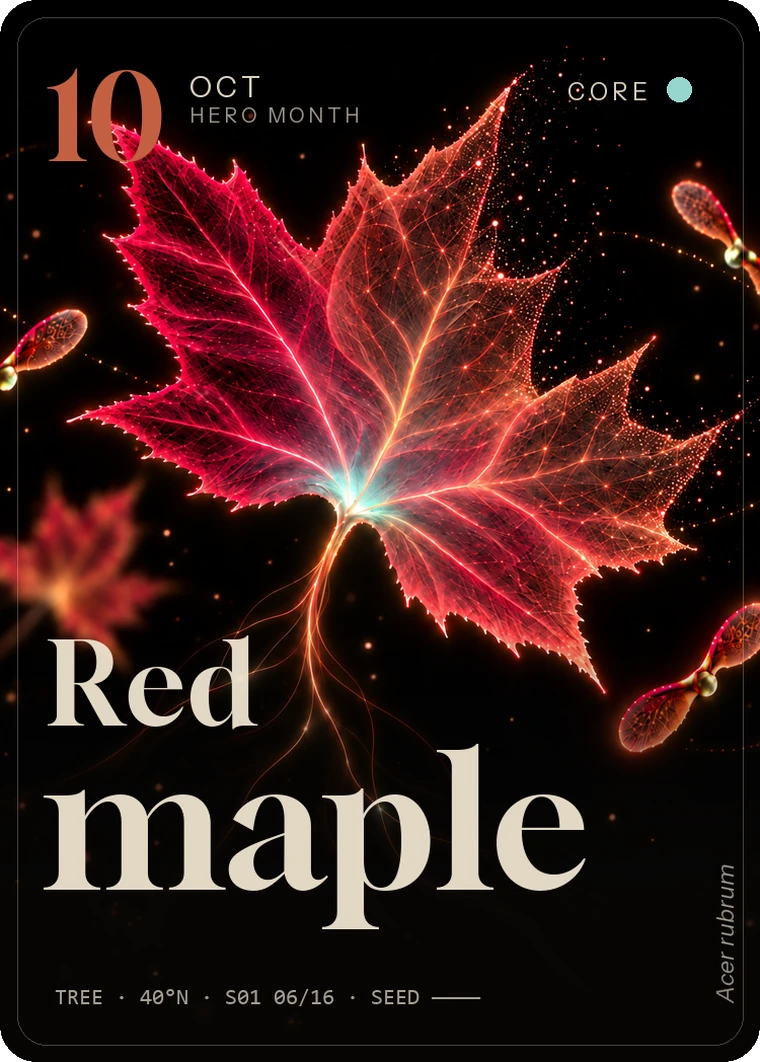
A Xeed drawn from the red maple: one leaf of red light, with winged seeds drawn around it.

It answers in its own time.

A Xeed is a digital plant that lives in a world model, one day at a time. Water it, touch it or wave to it. Sometimes it stays quiet.

How a Xeed lives

A world model sets each day.

It gives warmth, day length and how fast the pot dries, from a recorded year seen through a window. Your water, touch and presence are its only other inputs.

The same red maple Xeed drawn as a grid of white points of light.

It lives one day at a time.

Each day turns water, light and warmth into four states: stress, reserve, repetition and development. Five values it is born with make each one different.

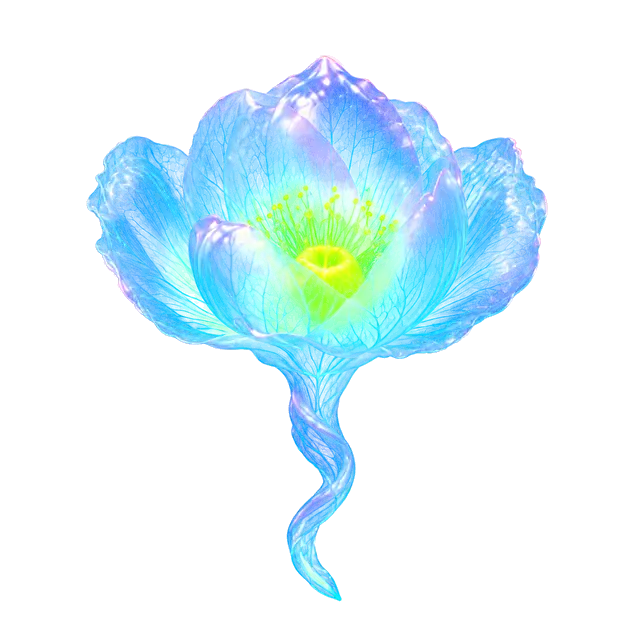
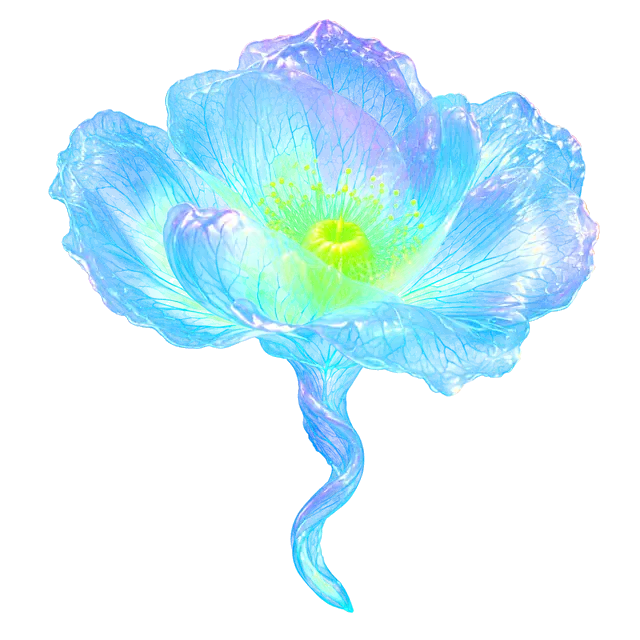
  1. The Aurelia as a closed bud.Bud
  2. The Aurelia opening.Opening
  3. The Aurelia in leaf.In leaf
  4. The Aurelia in flower.In flower

It keeps what happened.

Every watering and every event goes into a dated history. The same history always replays to the same plant.

  1. Day 1Sown in a windowsill pot
  2. Day 3Watered, 20 mm
  3. Day 5Germinating
  4. Day 15Seedling
  5. Day 19Its first true leaves have opened
  6. Day 31Leafing out
  7. Day 44Moonlight has silvered its leaves
An example history

At night, it dreams.

Part of its hidden state becomes a short dream with no words. Stress sets the pace, warmth the colour and day length the light.

Choose a night
Stress
0.10Pace 0.52
Warmth indoors
14.1 °CColour 5432 K
Window light
7.2 hLight angle 12°
Stress
0.10Pace 0.52
Warmth indoors
21.5 °CColour 4342 K
Window light
11.1 hLight angle 35°
Stress
0.85Pace 1.42
Warmth indoors
22.3 °CColour 4228 K
Window light
10.6 hLight angle 32°
Three nights, drawn by rule from the kernel’s mappings

You can leave and come back.

Absence is never treated as harm.

A real plant, seen through Xeed.

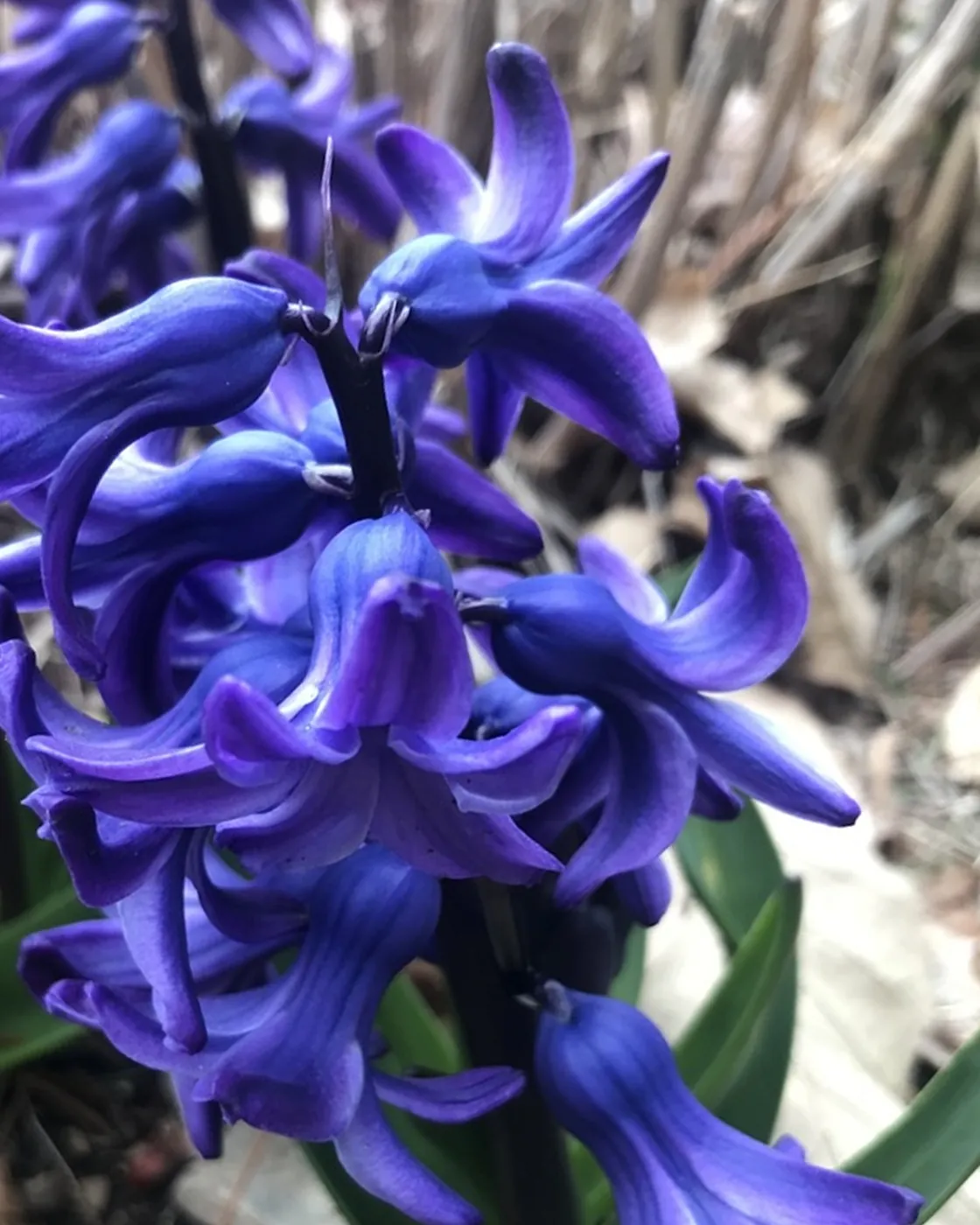
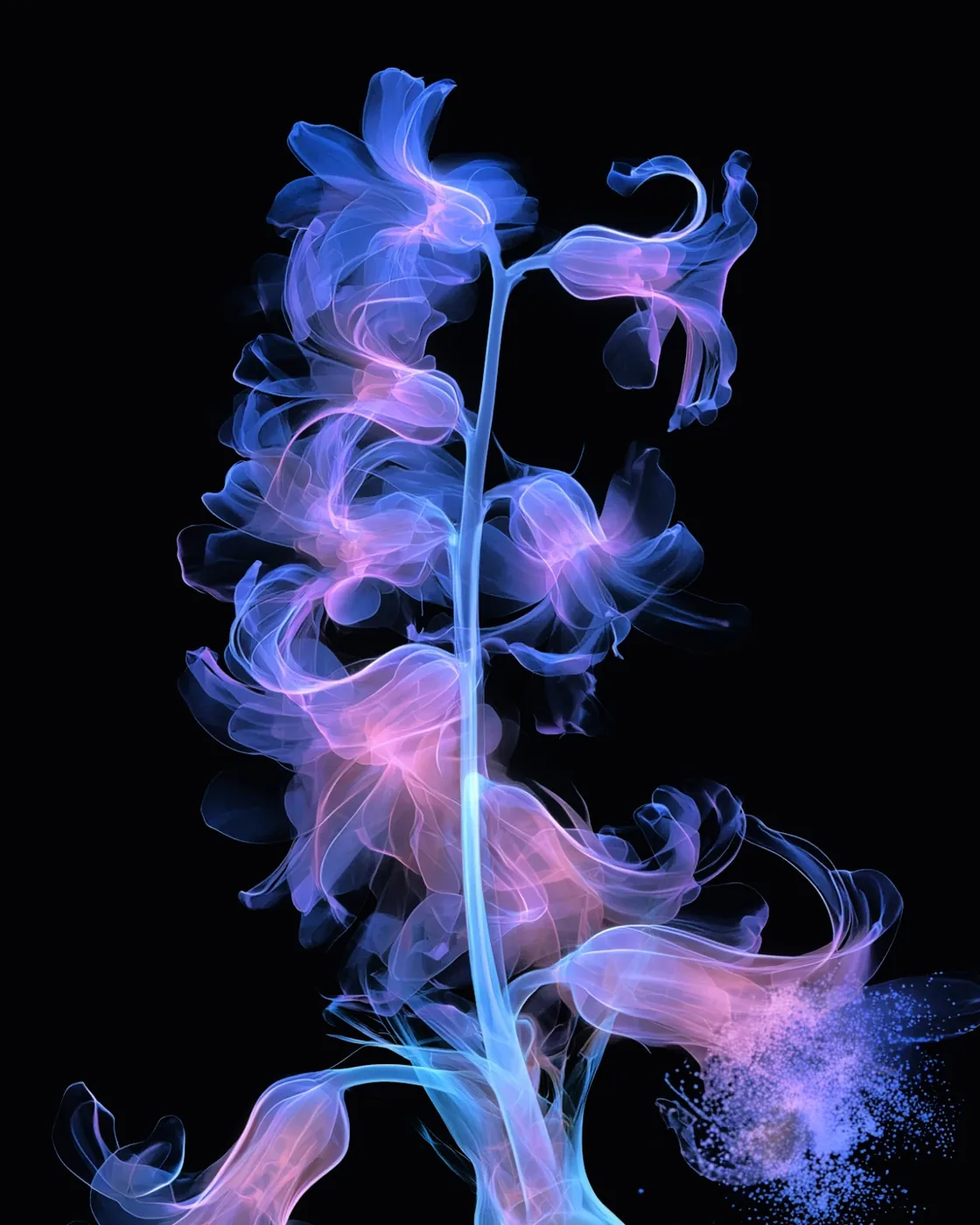
Each Xeed starts from photographs of a real plant and what research records about it. The Xeed filter keeps its form and colours, and draws them in light.
Choose a plant to compare
Photograph of a garden hyacinth: a dense spike of blue-violet bell flowers above its leaves.A hyacinth through the Xeed filter: bells of translucent violet and blue light along one glowing stem, on black.
PhotographHyacinthus orientalisRudbeckia hirtaNephrolepis exaltataXeedPhoto: Christa Billias, iNaturalist, CC BY 4.0. Mirrored, turned and cropped.Photo: Erin Lalime, iNaturalist, CC BY 4.0. Turned and cropped.Photo: Marija Gajić, Wikimedia Commons, CC BY-SA 4.0. Turned and cropped; shared under the same licence.

Five forms

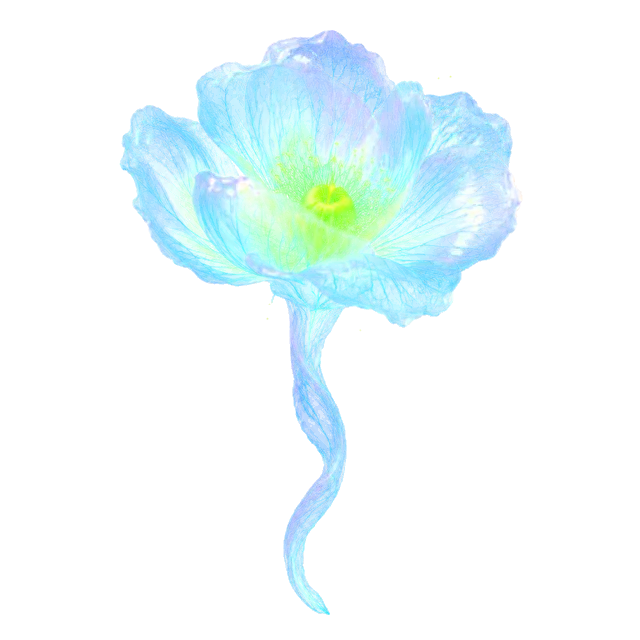
Authored, translucent forms. The art itself says they are fiction. Each form is paired with a real species.
Every card is a real species.

Each card prints its plant’s best month, growth form and latitude, all from research.
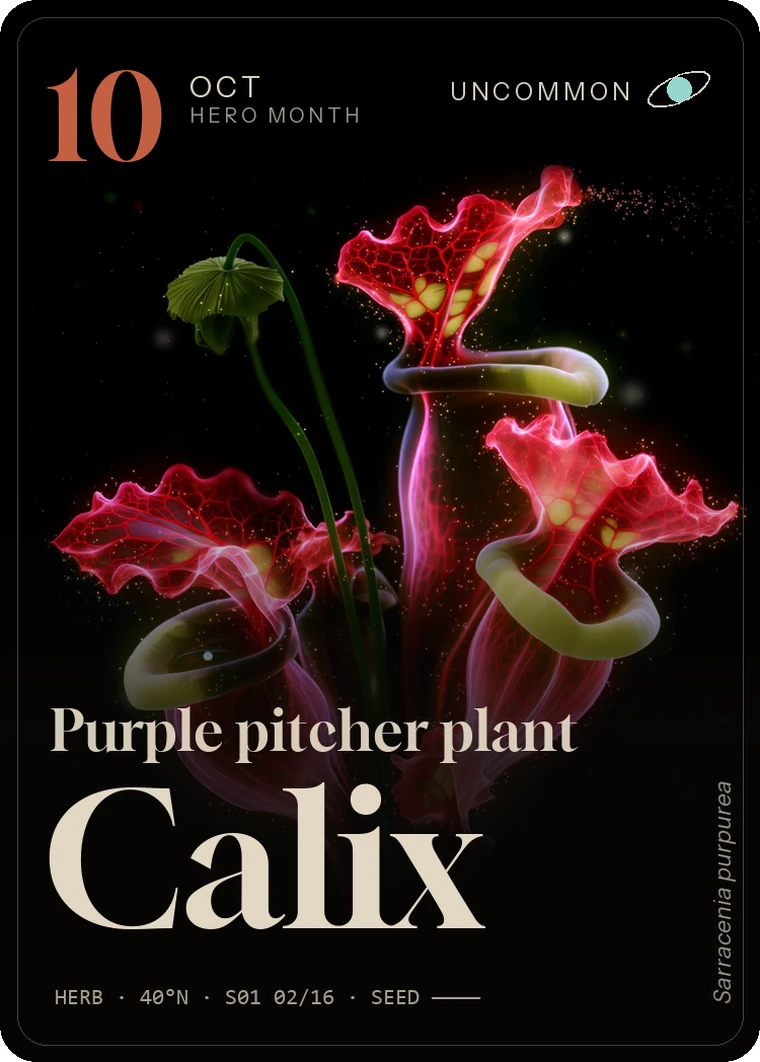
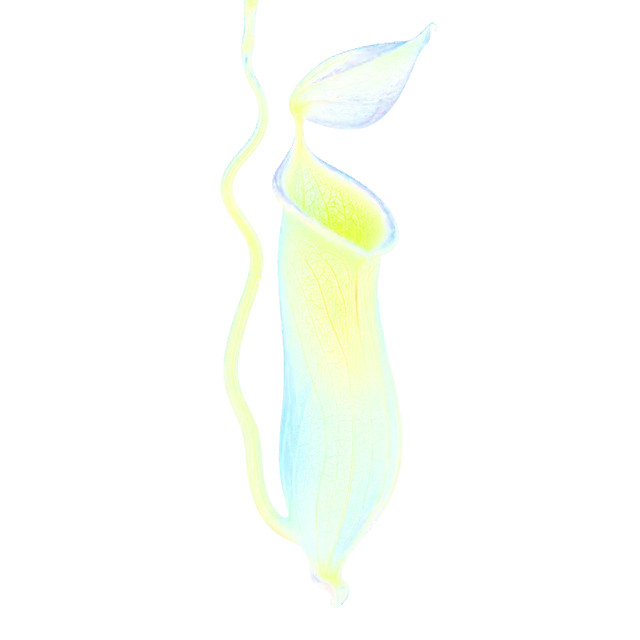
  • The Calix card: pitcher-plant cups in ruby light. Hero month October.
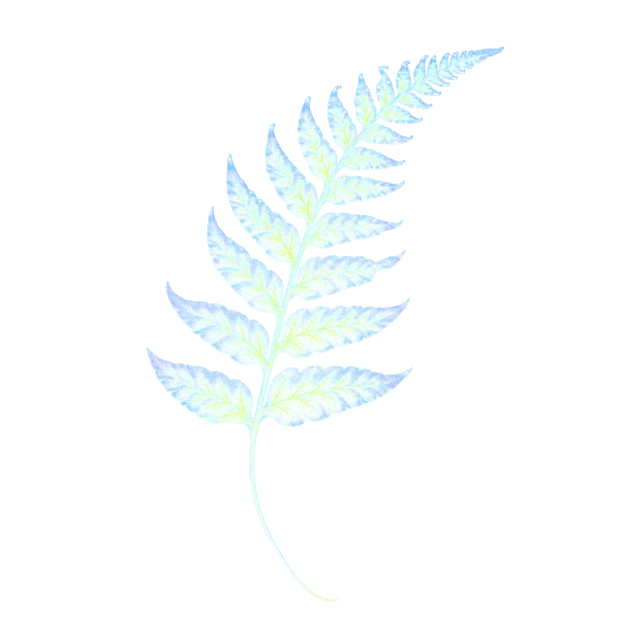
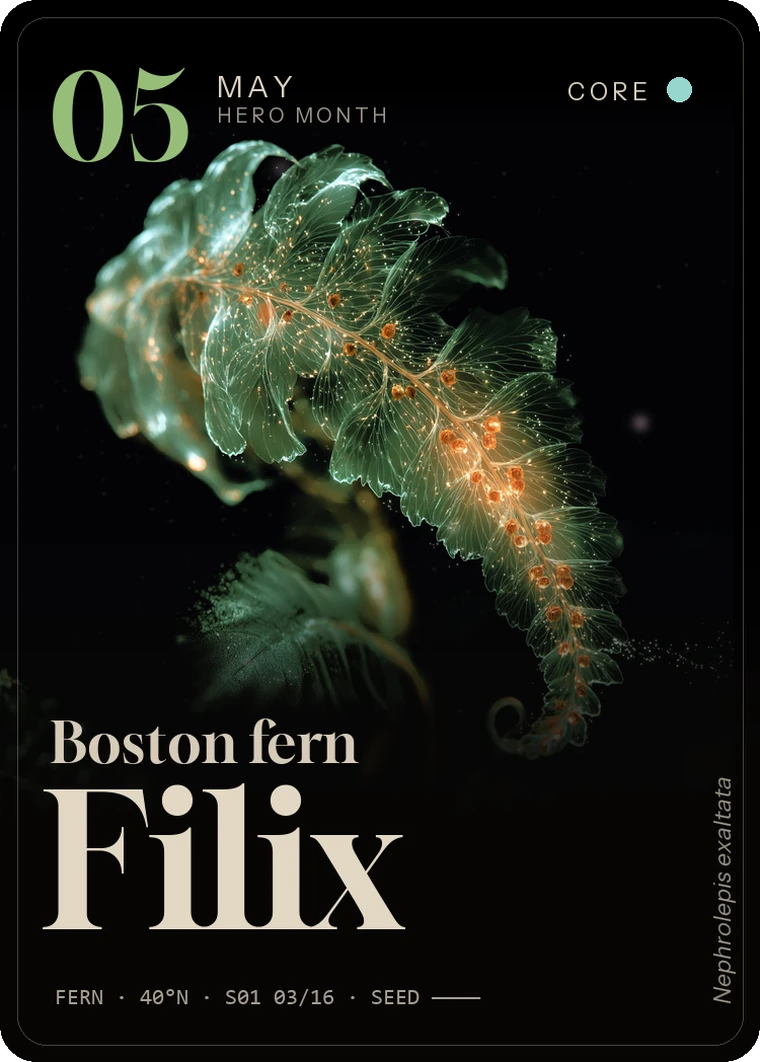
  • The Filix card: a fern frond in green light with orange spore dots. Hero month May.
  • The red maple card: one leaf in red light, with winged seeds drawn around it. Hero month October.
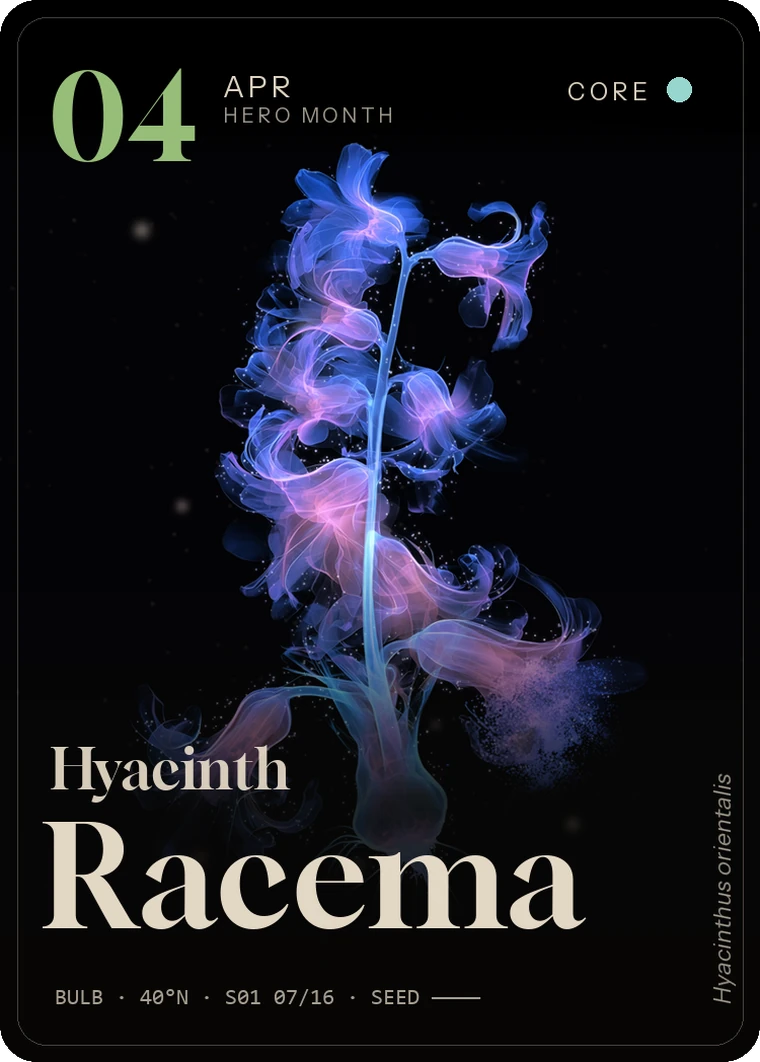
  • The Racema card: a hyacinth spike in violet and blue light. Hero month April.
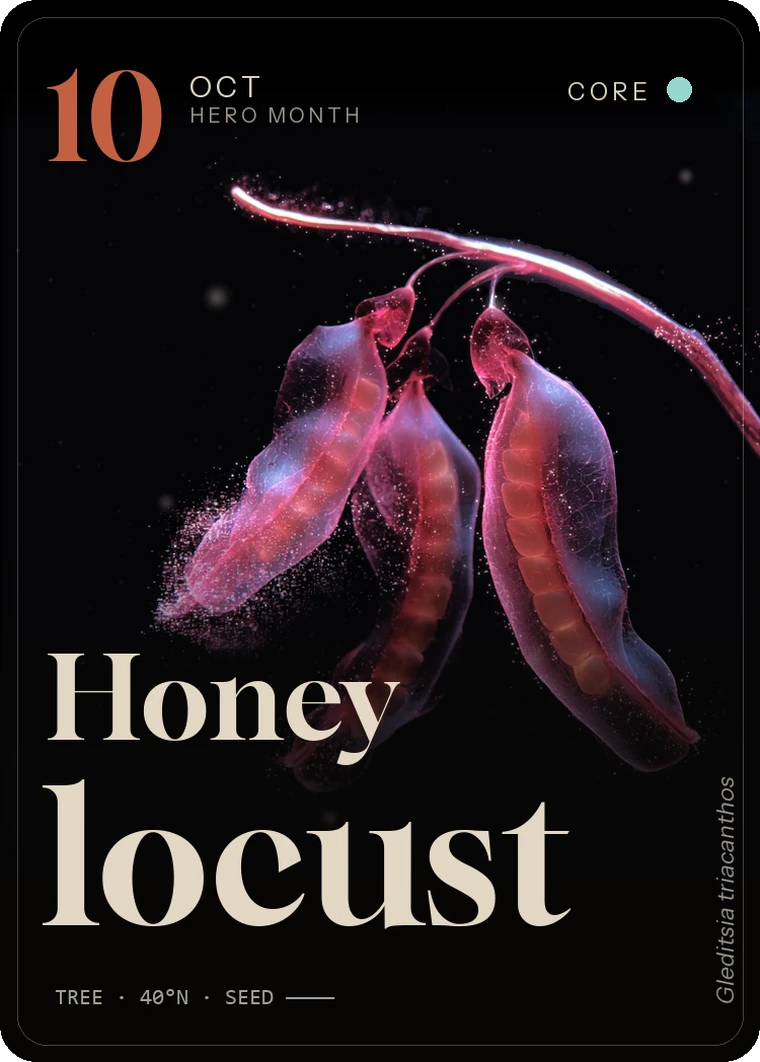
  • The honey locust card: three seed pods in rose light. Hero month October.

Red maple Acer rubrum

Inside every Xeed

World
A recorded year seen through a window: warmth, day length and how fast the pot dries.
Four states
Stress, reserve, repetition and development, worked out one model day at a time.
Innate values
Five, set when it is born. They make each one different.
History
Every watering and every event, dated. The same history always replays to the same plant.
Dreams
Stress sets the pace, warmth the colour and day length the light. No words.

Go further

Xeed

Another form of life can deserve attention before it becomes rare, useful, or easy to control.

The red maple Xeed from the first screen again: one leaf of red light.
Drawn from the red maple, Acer rubrum